Introduction
Cleft lip and palate are common birth differences. A cleft lip is a gap in the upper lip. A cleft palate is a gap in the roof of the mouth. These gaps can happen alone or together. According to the World Health Organization, cleft conditions affect about 1 in 700 babies worldwide. Because of these gaps, children may have trouble feeding, speaking, or hearing. Early cleft lip and palate repair helps children lead healthy lives. Families often worry, but treatment is available and effective.
Symptoms and Signs
Most clefts are easy to see at birth. However, some signs may be less obvious. For example, a small cleft in the palate may not be noticed right away. Common symptoms include:
Because symptoms can vary, regular check-ups are important.
Causes and Risk Factors
Cleft lip and palate happen when the baby’s lip or mouth does not form fully during pregnancy. Although the exact cause is not always known, several factors can raise the risk. For instance, genetics play a role. If a parent or sibling has a cleft, the risk is higher. Other risk factors include:
Even with these risks, most cases happen without a clear reason.
Diagnosis
Doctors can often see a cleft lip during a routine ultrasound before birth. However, a cleft palate may be harder to spot until after the baby is born. After birth, doctors check the baby’s mouth and lip closely. If a cleft is found, more tests may be needed. For example, hearing tests and dental checks help plan the best care. Early diagnosis allows families to meet with a team of specialists right away.
Treatment Options
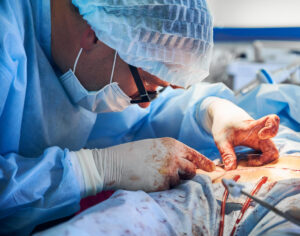
Treatment for cleft lip in children usually involves surgery. The main goal is to close the gap and help the child eat, speak, and grow well. Timing is important. For most babies, cleft lip repair happens between 3 to 6 months of age. Cleft palate repair is often done between 9 to 18 months. Sometimes, more surgeries are needed as the child grows. In addition, care from a team of experts is key. This team may include:
Because each child is unique, the treatment plan is tailored to their needs. According to the CDC, early and complete care leads to the best results.
Recovery and Aftercare
After cleft surgery, children need special care. For example, parents may need to feed their child with a special bottle or spoon. The surgical area must stay clean to prevent infection. Doctors will give clear instructions for home care. Most children heal well, but regular follow-ups are needed. Over time, speech therapy or dental care may be required. With proper aftercare, children can recover quickly and enjoy normal activities.
Prevention and Lifestyle Guidance
While not all clefts can be prevented, some steps may lower the risk. For instance, women planning a pregnancy should:
Because early care matters, families should seek help if they have concerns.
Frequently Asked Questions
Conclusion
Cleft lip and palate repair helps children live healthy, happy lives. Early treatment and a caring team make a big difference. If you have questions or concerns, consult a specialist Praveen Sunkara for personalized guidance.