
Introduction
A facelift (rhytidectomy) is a type of cosmetic surgery. It helps reduce signs of aging on the face and neck. Many people choose this surgery to look younger and feel more confident. During a facelift, doctors remove extra skin and tighten the tissues underneath. As a result, the face looks smoother and firmer. If you are thinking about facelift surgery, it is important to know what to expect from a facelift, including its benefits, risks, and recovery process.
Who Is a Good Candidate for a Facelift?
Not everyone is a good fit for facelift (rhytidectomy) surgery. However, certain people may benefit more than others. You may be a good candidate if:
On the other hand, people with certain health problems may not be suitable. For example, if you have bleeding disorders or severe medical conditions, you should talk to your doctor first. In any case, a board-certified plastic surgeon can help decide if facelift surgery is right for you.
How Is a Facelift (Rhytidectomy) Performed?
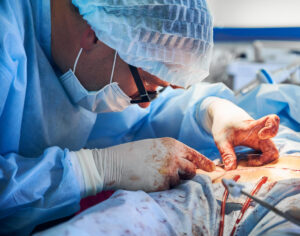
First, the surgeon will talk with you about your goals. Next, you will receive anesthesia to keep you comfortable during the procedure. The surgeon then makes small cuts, usually around the hairline and behind the ears. Through these cuts, the doctor lifts and tightens the deeper layers of your face. Extra skin is removed, and the cuts are closed with stitches. Sometimes, a facelift is combined with other procedures, such as eyelid surgery or a neck lift. The whole surgery usually takes two to four hours. Afterward, you will spend some time in a recovery area before going home.
Benefits of Facelift Surgery
There are many facelift surgery benefits. For example, a facelift can:
Additionally, many people feel happier with their appearance after surgery. According to the American Society of Plastic Surgeons, most patients are satisfied with their facelift results.
Risks and Potential Complications
Like any surgery, facelift (rhytidectomy) has some risks. However, most side effects are mild and temporary. Possible facelift risks include:
Rarely, more serious problems can occur. For instance, nerve injury or poor wound healing may happen. But choosing a skilled, board-certified surgeon can lower these risks. Always follow your doctor’s instructions for the best outcome.
Recovery Process and Aftercare Tips
After facelift surgery, you will need some time to heal. Most people can return to normal activities within two to four weeks. However, swelling and bruising may last for several weeks. Here are some facelift recovery tips to help you heal faster:
In addition, do not smoke during recovery, as it can slow healing. If you notice severe pain, fever, or unusual swelling, contact your doctor right away.
Frequently Asked Questions About Facelifts
How long do facelift results last?
Generally, facelift results last seven to ten years. However, aging continues, so some changes may return over time.
Will there be visible scars?
Scars are usually hidden in the hairline or behind the ears. Over time, they fade and become less noticeable.
Is facelift surgery painful?
Most people feel mild discomfort after surgery. However, pain is usually managed with medicine.
Can a facelift be combined with other procedures?
Yes, many people choose to combine a facelift with eyelid surgery or a brow lift for better results.
Conclusion
In summary, facelift (rhytidectomy) can help you look younger and feel more confident. However, it is important to know the benefits, risks, and recovery steps. Always consult Dr Praveen Sunkara at Harsha Hospitals for personalized advice.