What Is Otoplasty?
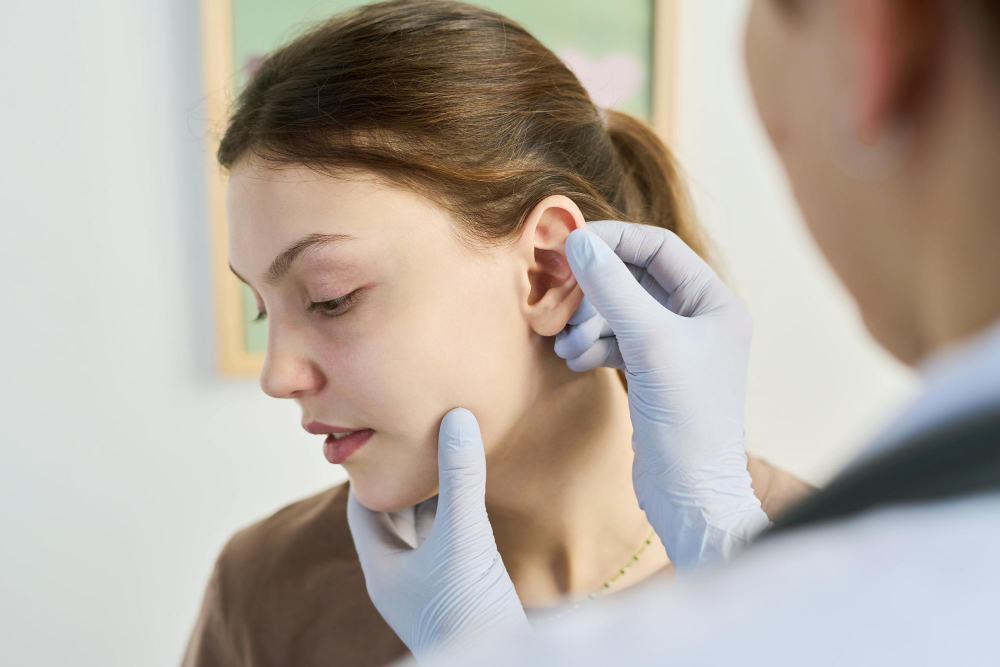
Otoplasty is a type of ear surgery. It helps change the shape, size, or position of the ears. Many people choose otoplasty to correct ears that stick out or look uneven. Sometimes, children and adults want this surgery for cosmetic reasons. Others may need it after an injury or birth defect. Otoplasty is safe when done by a skilled surgeon. The goal is to create natural-looking ears that boost confidence.
Common Reasons for Otoplasty
People seek otoplasty for many reasons. For example, some want to fix ears that stick out too far. Others may have ears that are misshapen from birth. In some cases, injuries can change the ear’s appearance. Otoplasty can help with:
Who Is a Good Candidate for Otoplasty?
Not everyone needs ear surgery. However, otoplasty may be right for you if:
Children, teens, and adults can all benefit from otoplasty. Still, it is important to talk with a board-certified plastic surgeon first.
The Otoplasty Procedure: Steps and Techniques
Otoplasty is usually done as an outpatient surgery. This means you can go home the same day. The steps often include:
Most otoplasty surgeries take one to two hours. However, the time may vary based on your needs. Surgeons use special techniques to hide scars behind the ear.
Recovery and Aftercare
After otoplasty, you will need to rest. Most people can return to normal activities in about a week. However, you should follow your surgeon’s advice. Here is what to expect during recovery:
Most people see full results in a few weeks. Still, minor swelling may last longer.
Benefits and Potential Risks
Otoplasty offers many benefits. For instance, it can improve the shape and position of your ears. Many people feel more confident after ear surgery. Other benefits include:
However, like any surgery, otoplasty has some risks. These may include:
According to the American Society of Plastic Surgeons, serious problems are rare when a trained surgeon performs the procedure.
Frequently Asked Questions About Otoplasty
Prevention and Lifestyle Tips
While you cannot always prevent ear shape issues, you can take steps to protect your ears. For example, wear helmets during sports to avoid injuries. If you notice changes in your ear shape, see a doctor early. Also, follow healthy habits to support healing after surgery. These include:
Conclusion: Take the Next Step
Otoplasty can help you feel better about your appearance. It is a safe and effective way to correct ear shape or position. However, every person is different. Therefore, consult Dr Praveen Sunkara at Harsha Hospitals for personalized advice. They can answer your questions and help you decide if otoplasty is right for you.