Introduction
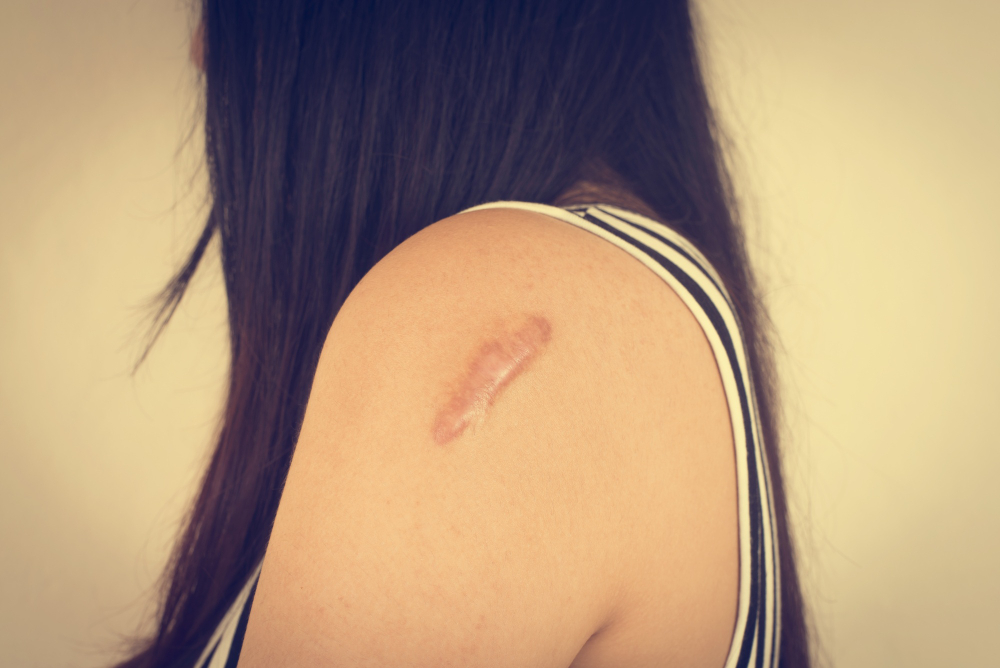
Many people feel self-conscious about scars. Scar revision surgery can help improve the look of scars. This procedure aims to make scars less noticeable. In fact, scar revision surgery is a common choice for those seeking to boost confidence and comfort. Whether your scar is from an injury, surgery, or acne, there are options to help. This blog will explain what to expect, the benefits, and how to recover well.
What Is Scar Revision Surgery?
Scar revision surgery is a medical procedure. It helps change the appearance of a scar. The goal is not to remove the scar completely. Instead, doctors try to make it blend in with your skin. Sometimes, the scar becomes smoother or less visible. Plastic surgeons often perform this surgery. They use special techniques to improve the skin’s look and feel.
Common Reasons for Scar Revision
People choose scar revision for many reasons. For example, some scars may cause pain or limit movement. Others may feel embarrassed by scars on visible areas. Here are common reasons for seeking scar revision:
Types of Scar Revision Procedures
There are several ways to revise a scar. The right method depends on the scar’s size, type, and location. Here are some common scar removal options:
Each option has its own benefits and risks. Your doctor will help you choose the best one.
How to Prepare for Scar Revision Surgery
Before surgery, your doctor will review your health history. You may need to stop certain medicines, such as blood thinners. It is important to follow all instructions. For example, you may need to avoid smoking or alcohol before the procedure. Your doctor may also ask you to arrange for someone to drive you home. Preparation helps lower risks and improves healing.
What to Expect During the Procedure
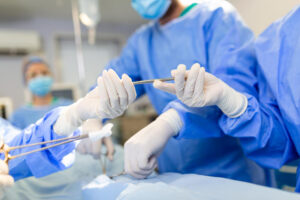
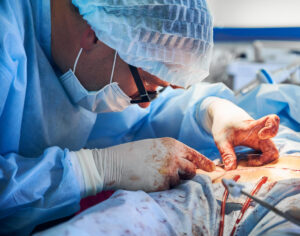
Scar revision surgery is often done in a clinic or hospital. The procedure may take less than an hour or up to several hours. It depends on the scar’s size and type. Usually, doctors use local anesthesia to numb the area. Sometimes, general anesthesia is needed for larger scars. During the surgery, the doctor will use special tools to treat the scar. Afterward, they will close the skin with stitches or bandages. Most patients go home the same day.
Recovery and Aftercare Tips
After surgery, you may notice swelling, redness, or mild pain. These symptoms usually improve in a few days. To help your recovery:
Healing time varies. Some people see results in weeks, while others may need several months. Always contact your doctor if you notice signs of infection, such as fever or pus.
Benefits and Risks of Scar Revision Surgery
Scar revision surgery offers many benefits. For instance, it can improve the look and feel of your skin. It may also boost your self-esteem. Some people find relief from pain or tightness. However, every surgery has risks. Possible risks include infection, bleeding, or new scars. Sometimes, the scar may not improve as much as you hope. It is important to discuss all risks and benefits with your surgeon. According to the American Society of Plastic Surgeons, most people are satisfied with their results.
Prevention and Lifestyle Guidance
While you cannot always prevent scars, you can take steps to help them heal better. Here are some tips:
Additionally, if you have a history of thick or raised scars, let your doctor know. Early care can help minimize scar appearance.
Frequently Asked Questions
Conclusion
Scar revision surgery can help improve the look and feel of scars. With the right care, you can boost your confidence and comfort. For the best results, consult a board-certified plastic surgeon at Harsha Hospitals for personalized advice on scar revision surgery.