What is Gynecomastia?
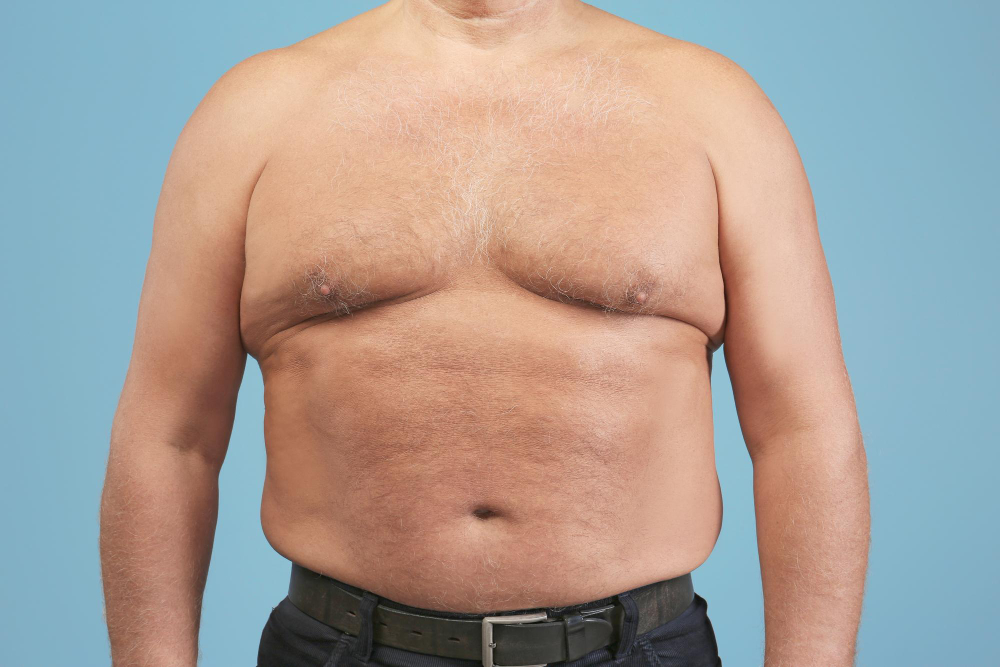
Gynecomastia is a condition where men or boys develop enlarged breast tissue. This is not the same as extra fat from being overweight. Instead, it is a growth of actual breast tissue. Often, gynecomastia can affect one or both breasts. For many, this condition can cause worry or embarrassment. However, it is usually not dangerous. Still, understanding gynecomastia is important for your health and peace of mind.
Common Causes of Gynecomastia
There are several reasons why gynecomastia may happen. In many cases, a change in hormone levels is the main cause. But, other factors can also play a role. For example, some medicines or health problems may lead to male breast enlargement. Here are some common causes:
Sometimes, the cause is unknown. Yet, most cases are not linked to serious illness.
Recognizing Symptoms
Gynecomastia often starts as a small lump under the nipple. Over time, the breast area may feel tender or sore. In some cases, both breasts are affected. However, it can also happen on just one side. Watch for these signs:
Usually, gynecomastia does not cause severe pain. But, if you notice rapid growth, hard lumps, or nipple discharge, see a doctor right away.
How Gynecomastia is Diagnosed
Doctors use several steps to diagnose gynecomastia. First, they will ask about your health history and any medicines you take. Next, they will do a physical exam to check the breast tissue. Sometimes, more tests are needed. For example, blood tests can check hormone levels. In some cases, an ultrasound or mammogram helps rule out other problems. These steps help your doctor find the best treatment for you.
Treatment Options for Gynecomastia
Treatment for gynecomastia depends on the cause and how long you have had it. In many cases, the condition goes away on its own, especially in teenagers. However, if it does not improve, there are several options:
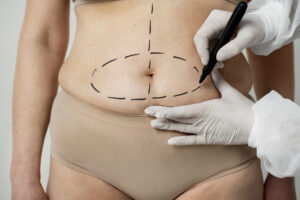
For some, surgery is the best choice. This is especially true if the breast tissue is large or painful. Many cities offer access to skilled plastic surgeons who can help.
Prevention and Lifestyle Tips
While not all cases can be prevented, some steps may lower your risk. For instance, making healthy choices can help. Here are some tips:
Additionally, regular check-ups can catch problems early. This makes treatment easier and more effective.
When to See a Doctor
It is important to know when to seek medical advice. If you notice swelling, pain, or changes in your breast area, talk to your doctor. Also, if you have hard lumps, nipple discharge, or rapid growth, get checked right away. Early diagnosis can help rule out serious issues and guide the right treatment.
In summary, gynecomastia is common and often harmless. However, it can affect your confidence and comfort. Consult a qualified plastic surgeon at Harsha Hospitals for personalized advice on gynecomastia.