Diabetic foot reconstruction is a medical procedure that helps people with serious foot problems caused by diabetes. Many people with diabetes develop foot issues due to poor blood flow and nerve damage. Because of this, diabetic foot reconstruction can be life-changing. It helps restore foot function, prevent further damage, and improve quality of life. In this blog, you will learn about the causes, procedures, recovery, and prevention of diabetic foot complications. Understanding these topics can help you or your loved ones make informed decisions about diabetic foot reconstruction.
What Is Diabetic Foot Reconstruction?
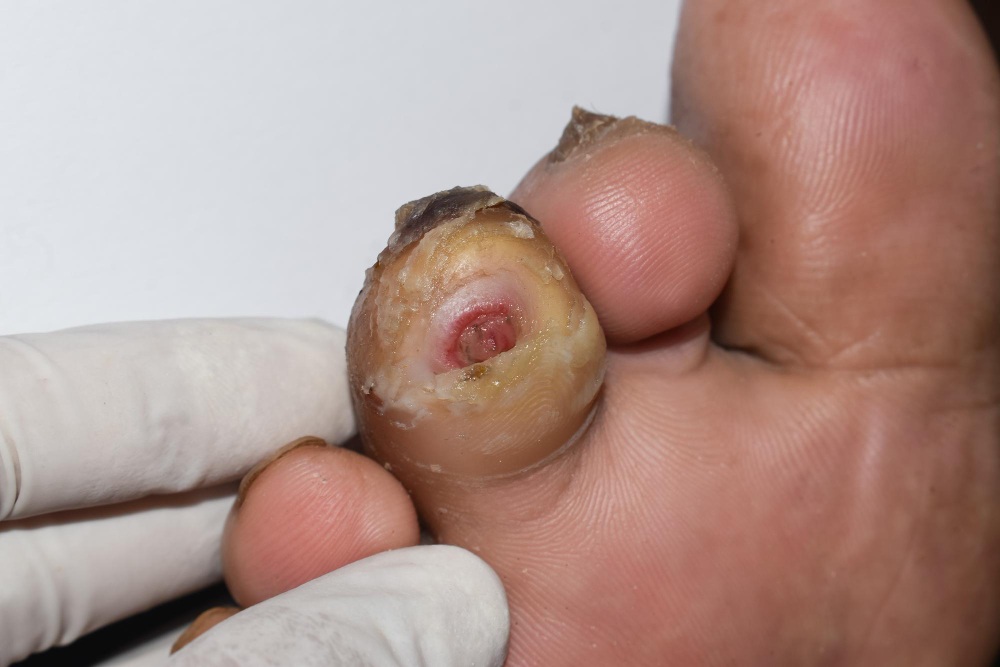
Diabetic foot reconstruction is a set of surgical and non-surgical treatments. These treatments repair and restore the foot after damage from diabetes. Often, people need this procedure when wounds, ulcers, or deformities do not heal with basic care. For example, some patients may have severe infections or bone problems. In these cases, reconstruction helps save the foot and prevent amputation. The main goal is to help patients walk safely and avoid future problems.
Causes and Risk Factors
Many factors can lead to the need for diabetic foot reconstruction. Diabetes affects blood flow and nerves in the feet. As a result, injuries may not heal well. Over time, this can cause serious foot problems. Some common causes and risk factors include:
Because these factors often work together, it is important to manage diabetes carefully. Early action can help prevent serious foot complications.
Symptoms Indicating the Need for Reconstruction
Some signs may show that diabetic foot reconstruction is needed. Early detection can help prevent further damage. Watch for these symptoms:
If you notice any of these symptoms, seek medical advice right away. Quick action can make a big difference.
Diagnosis and Evaluation
Doctors use several steps to diagnose diabetic foot problems. First, they will ask about your medical history and symptoms. Next, they will examine your feet for wounds, swelling, or deformities. Often, doctors use tests to check blood flow and nerve function. For example, they may use:
Because early diagnosis is key, regular foot exams are important for people with diabetes.
Surgical and Non-Surgical Procedures
Doctors choose the best treatment based on the type and severity of the foot problem. Sometimes, non-surgical treatments are enough. However, in severe cases, surgery may be needed. Here are some common options:
Non-Surgical Treatments
Surgical Procedures
Because each patient is different, doctors create a personalized treatment plan. Diabetic foot reconstruction surgery can help restore function and prevent future problems.
Recovery and Aftercare
Recovery after diabetic foot surgery depends on the type of procedure. Most patients need to rest and keep weight off the foot for some time. For example, you may need crutches or a wheelchair. Proper wound care is very important. Here are some key steps for recovery:
Because recovery after diabetic foot surgery can take weeks or months, patience is important. With proper care, most people regain good foot function.
Prevention Tips and Lifestyle Guidance
Preventing diabetic foot complications is possible with good habits. Even after surgery, ongoing care is needed. Here are some tips to help protect your feet:
Because prevention is easier than treatment, these steps can help you avoid serious foot issues.
When to Consult a Specialist
It is important to see a foot specialist if you have diabetes and notice any foot changes. For example, seek help if you have wounds that do not heal, pain, or changes in foot shape. Early treatment can prevent serious complications. In some areas, access to diabetic foot care may be limited. Therefore, ask your doctor for a referral to a specialist if needed.
In summary, diabetic foot reconstruction can restore foot health and prevent further problems. If you have concerns about your feet, consult Dr Praveen Sunkara at Harsha Hospitals for personalized guidance on diabetic foot reconstruction.